In recent years, global tensions have risen sharply, largely driven by developments involving China and Russia. From large-scale military drills in East Asia to renewed hostilities in Eastern Europe, these events have significant implications for global security, diplomacy, and economic stability. This in‑depth overview breaks down what’s happening — and what it could mean for the world — in a clear, accessible way.
1. Military Tensions Around Taiwan Escalate Sharply
A. China’s Largest Military Drills Yet
Late 2025 saw an unprecedented round of Chinese military exercises around Taiwan, dubbed “Justice Mission 2025.” The maneuvers included extensive live-fire drills, simulated blockades, and coordinated deployments of air, sea, and missile forces near Taiwan’s air defense zones. These operations involved more than 130 aircraft and multiple naval vessels, significantly impacting civilian air and maritime traffic.
China claims these drills are a response to a major arms package approved for Taiwan by the U.S. and a warning to “external interference,” but the scale and intensity — including rocket firings close to Taiwanese shores — have alarmed regional observers. Taiwan condemned the activities as threats to peace and stability, emphasizing readiness to defend itself.
B. Regional Impact and International Response
The disruptions extended beyond Taiwan’s coast, affecting tens of thousands of travelers and drawing global attention to the risk of further escalation in the Taiwan Strait. Some military analysts suggest these drills are designed to demonstrate operational capability rather than trigger conflict, but others warn they blur the line between deterrence and preparation.
In response, countries such as Japan and the United States have reiterated commitments to regional security. Japan conducted joint exercises with U.S. forces near contested waters as a signal of solidarity and deterrence, underscoring the broader geopolitical stakes in the Indo‑Pacific.
2. Russia’s Actions in Eastern Europe and Broader Implications
A. Russia–Ukraine Conflict Continues With Renewed Tensions
As 2025 draws to a close, the Russia‑Ukraine war remains unresolved and highly volatile. Recent developments include reports that Russia has moved nuclear‑capable missiles into allied Belarus, raising alarm among European and U.S. defense planners. This move is part of an ongoing pattern of escalatory rhetoric and military repositioning.
At the same time, peace negotiations have been fragile at best. Accusations and counter‑accusations between Russian and Ukrainian officials — including disputed claims of drone attacks on Russian territory — have undermined diplomatic momentum.
B. Broader European Security Concerns
The conflict’s persistence — along with territorial disputes in regions like Donbas and Zaporizhzhia — continues to press European states to weigh their security commitments. NATO officials have underscored the need to be prepared for a range of contingencies, including the possibility of broader conflict involving both Russia and other major powers. Economic sanctions also remain a key tool in Western efforts to constrain Russia’s war capabilities, affecting everything from energy markets to industrial production and diplomatic relations across Europe.
3. The Strategic Relationship Between China and Russia
A. A Complex Geopolitical Alignment
China and Russia have strengthened diplomatic, economic, and military cooperation in recent years, especially since Russia’s invasion of Ukraine in 2022. This alignment is driven in part by shared interests in countering U.S. influence and reshaping aspects of the global order.
However, important nuances remain: the relationship is strategic but not a formal alliance. While their cooperation has deepened, analysts note significant asymmetries — Russia is more dependent on China economically, while Beijing pursues broader global engagement and maintains a degree of diplomatic flexibility.
B. Joint Military and Political Positioning
China and Russia continue to engage in joint military exercises and high‑level diplomatic exchanges. Their participation in multilateral forums and shared statements against Western policies signal solidarity. This includes joint drills and coordination through institutions like the Shanghai Cooperation Organization, which bring together a range of non‑Western powers. Yet, despite this cooperation, the two nations do not have formal security commitments — meaning they are not treaty-bound to defend each other in all scenarios. Their partnership remains pragmatic, focused on mutual strategic advantage rather than ideological unity.
4. Regional Flashpoints Beyond Taiwan and Ukraine
While China and Russia dominate global attention, other hotspots contribute to rising tensions and complicate diplomatic efforts.
A. South China Sea Maritime Incidents
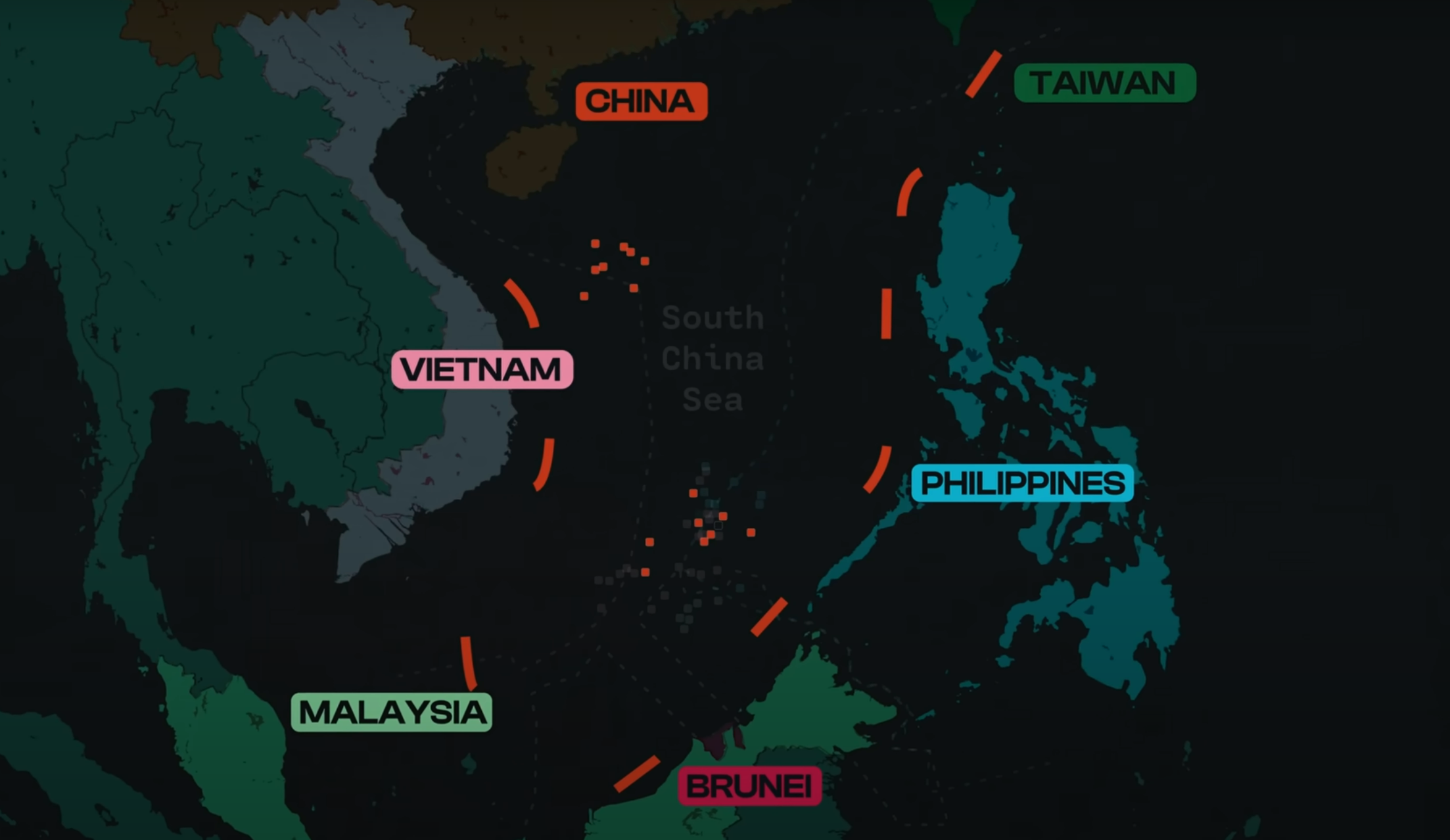
Territorial disputes in the South China Sea — such as maritime collisions between Chinese naval forces and regional coast guard units — have heightened concerns about miscalculations at sea. Such incidents reflect ongoing friction between China and its neighbors over contested maritime claims.
B. Caucasus and Eurasian Diplomatic Crises
Russia’s relationships with neighboring states, such as Azerbaijan, have occasionally flared into diplomatic crises, illustrating how regional dynamics can interlock with larger geopolitical struggles. Events like these can complicate alliances and local security architectures.
5. Economic and Global Order Impacts
The actions of China and Russia in 2025 illustrate a world marked by significant geopolitical tension. From Russia’s energy production and export patterns, under sanctions and new trade relationships with China, to China’s shifting approach to global manufacturing and trade, their actions have a ripple effect on the global economy.
The realignment of global trade flows, especially in energy, technology, and military goods, is contributing to a reshaping of the global economic order. Russia’s energy sanctions, for example, have significantly impacted global energy markets, while China’s increasing military focus on Taiwan and the South China Sea could lead to greater shifts in Asia-Pacific trade routes and supply chains.
| Area Affected | Impact Type | Example |
|---|---|---|
| Energy Markets | Supply risk & price volatility | Russian sanctions disrupting oil, gas markets |
| Trade Flows | Realignment of key routes | China shifting trade policies to non-Western markets |
| Defense Budgets | Increased military spending | NATO’s defense commitments, U.S.-China arms sales |
| Supply Chains | Reconfiguration | Shifts toward more diverse manufacturing and sourcing |
6. What the World Is Watching Now
A. Taiwan’s Strategic Significance
Taiwan remains a critical focal point due to its geopolitical importance, especially in semiconductor production and its strategic position in the Pacific. The risk of conflict there draws not just regional concern but global attention, with potential ripple effects far beyond Asia.
Efforts by countries like the United States, Japan, and other partners to support Taiwan’s defense capabilities have drawn strong rebukes from China, which frames such moves as interference in its internal affairs. The resulting cycle of action and reaction contributes to heightened uncertainty.
B. Ukraine’s Protracted Conflict
In Europe, the Ukraine war continues to be a central concern. The deployment of strategic weaponry and shifting frontlines mean that even as diplomatic efforts proceed, battlefield realities remain fluid. The involvement of external powers — through weapon supplies, sanctions, or political alliances — perpetuates geopolitical friction.
7. Tips for Understanding Ongoing Geopolitical Tensions
Staying informed about these complex global issues can be challenging. Here are some practical ways to navigate ongoing news:
a. Follow Credible News Sources
Seek information from established media outlets and verified reporting to avoid misinformation.
b. Understand Historical Context
Recognize that current events are rooted in decades of shifting alliances and rivalries.
c. Distinguish Between Speculation and Fact
Separate expert analysis from sensationalized headlines.
d. Monitor Diplomatic Signals
Statements from international organizations and governments often provide early clues about changing dynamics.
e. Consider Multiple Perspectives
Geopolitical issues are rarely one‑sided; understanding diverse viewpoints aids a fuller picture.
8. Conclusion: A World in Strategic Flux
The actions of China and Russia in 2025 illustrate a world marked by significant geopolitical tension. From powerful military drills near Taiwan’s borders to unresolved conflict in Ukraine, the global security landscape is continually evolving.
While the strategic partnership between China and Russia deepens, driven in part by shared opposition to Western influence, important limits and differences remain, preventing a formal military alliance. Nonetheless, the cooperative front they present — whether in diplomatic alignment or joint activities — signals a challenge to the current international order that many Western nations helped shape.
As we move into 2026, the world will continue to watch these dynamics closely. Understanding the interplay between regional conflicts, alliances, and global economic impacts is key to grasping why tensions matter — and what might come next. Whether diplomatic engagement prevails or competition deepens, this complex landscape will shape international affairs for years to come.