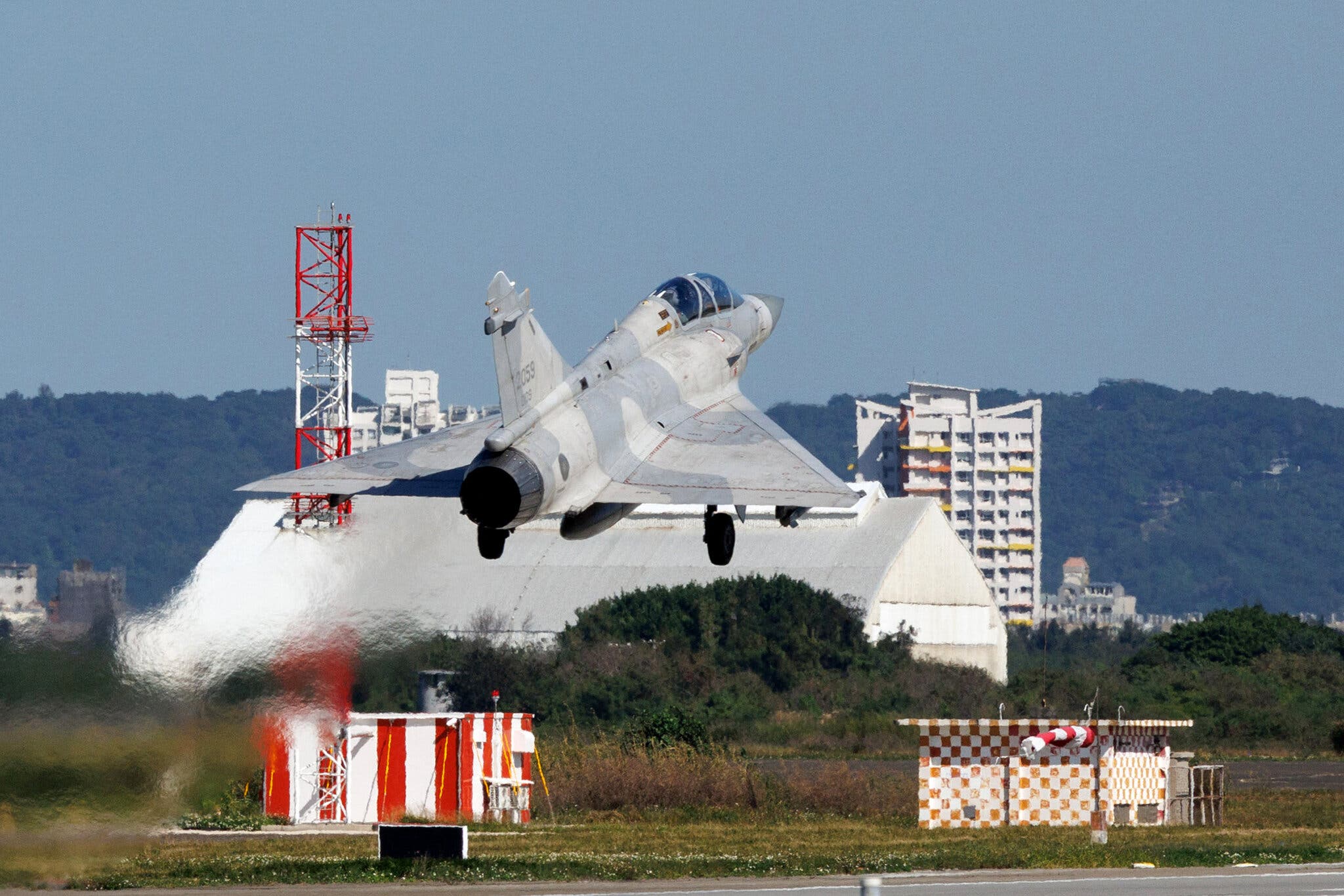
China has launched a major round of military exercises around Taiwan, mobilizing forces across land, air, and sea in a show of strength that has raised tensions across the Taiwan Strait. The drills, which include live-fire activities, mark the most significant Chinese military operation near the island in several months.
According to China’s People’s Liberation Army (PLA), the exercises are intended as a “serious warning” to forces opposing Beijing’s sovereignty claims over Taiwan. Chinese authorities announced that multiple areas of airspace and surrounding waters near the island would be temporarily closed to civilian traffic to allow live-fire operations.
First Major Exercises Since April
The operation, officially named “Justice Mission 2025,” represents the PLA’s first large-scale military drills around Taiwan since April. Military analysts say the exercises appear designed to demonstrate China’s growing ability to surround and isolate the island in the event of a conflict.
The drills come shortly after the Trump administration revealed plans for a new arms sales package to Taiwan, valued at more than $11 billion. The proposed sale includes advanced weapons systems such as High Mobility Artillery Rocket Systems (HIMARS), which significantly enhance Taiwan’s defensive capabilities.
Simulated Blockade and Strike Operations
A spokesperson for China’s Eastern Theater Command stated that the drills involve scenarios such as blocking key ports, establishing control over strategic sea lanes, and preventing external military forces from approaching Taiwan from the east — a direction considered critical for potential U.S. or allied support.
Chinese state media reported that the exercises include:
-
Naval destroyers conducting live-fire drills
-
Fighter bombers and drones performing simulated strike missions
-
Joint maritime and aerial “search-and-destroy” operations
-
Ground and missile forces participating in coordinated scenarios
Military commentators in China said several of the designated live-fire zones are positioned near Taiwan’s major ports and military installations, underscoring the drills’ strategic intent.
Taiwan Responds With Heightened Monitoring
Taiwan’s Ministry of National Defense said it had closely monitored Chinese military activity throughout the day. By Monday afternoon, Taiwan reported detecting:
-
14 Chinese naval vessels
-
14 Chinese coast guard ships
-
An amphibious assault ship group operating in the Western Pacific
-
Dozens of Chinese military aircraft flying near the island
Taiwanese defense officials emphasized that their armed forces remain on high alert and are prepared to respond to any developments that threaten national security.
Disruption to Civilian Travel
The live-fire exclusion zones could temporarily disrupt shipping routes through the Taiwan Strait, a critical passage for global trade. Security analysts warned that vessels attempting to travel north or south through the strait may face practical restrictions during the exercises.
There are also concerns that Taiwan’s maritime links to nearby island groups such as Kinmen and Matsu, which lie close to the Chinese coast, could be affected. As a precaution, two Taiwanese passenger airlines canceled flights to and from these islands until the drills conclude.
A Familiar Pattern of Military Pressure
China has frequently conducted military exercises near Taiwan in recent years, especially following political developments Beijing views as provocative. Tensions escalated notably after a high-profile visit to Taiwan by a senior U.S. official in 2022, which China condemned as a challenge to its sovereignty claim.
While the current drills are serious, defense experts note that they fall short of the scale and complexity required for an actual blockade or invasion. A recent Pentagon assessment suggested that Chinese leaders remain uncertain about their ability to successfully seize Taiwan by force.
Domestic and International Signaling
Experts believe the timing of the drills may serve multiple purposes. Rather than responding to a single event, the exercises appear to reflect a broader strategy of sustained military pressure.
Analysts suggest the operation is aimed not only at Taiwan and the United States but also at domestic audiences in China. Demonstrating military readiness helps reinforce the Chinese leadership’s image of strength at a time when the PLA has faced internal upheaval.
In recent years, numerous senior Chinese military officers have been removed or investigated for corruption, raising questions about command stability and readiness within the armed forces.
Leadership Changes Within the PLA
The exercises follow the recent appointment of Yang Zhibin, a former air force pilot, as commander of the Eastern Theater Command — the PLA unit responsible for operations involving Taiwan. Observers in Taiwan believe the drills may serve as an early test of his leadership.
Although General Yang had reportedly been acting commander for months, the formal announcement of his role came just days before the exercises were launched, adding to speculation about the timing.
Regional and Diplomatic Implications
The drills may also be intended as a warning to regional players, particularly Japan. Chinese officials have sharply criticized recent comments by Japan’s prime minister suggesting that a Chinese attempt to blockade or seize Taiwan could threaten Japan’s survival — a statement that could justify military intervention under Japanese law.
Despite the heightened military activity, analysts believe Beijing does not intend to prolong the exercises. The live-fire zones are scheduled to remain active only for a limited period, ending Tuesday evening.
Conclusion
China’s latest military drills near Taiwan highlight the fragile state of stability across the Taiwan Strait. While the exercises are not unprecedented, they underscore Beijing’s determination to assert its claims and signal displeasure over foreign military support for Taiwan.
For now, both sides appear focused on avoiding direct confrontation. However, the scale and coordination of the drills serve as a reminder that tensions remain high — and that the Taiwan issue continues to be one of the most sensitive and consequential flashpoints in global geopolitics.