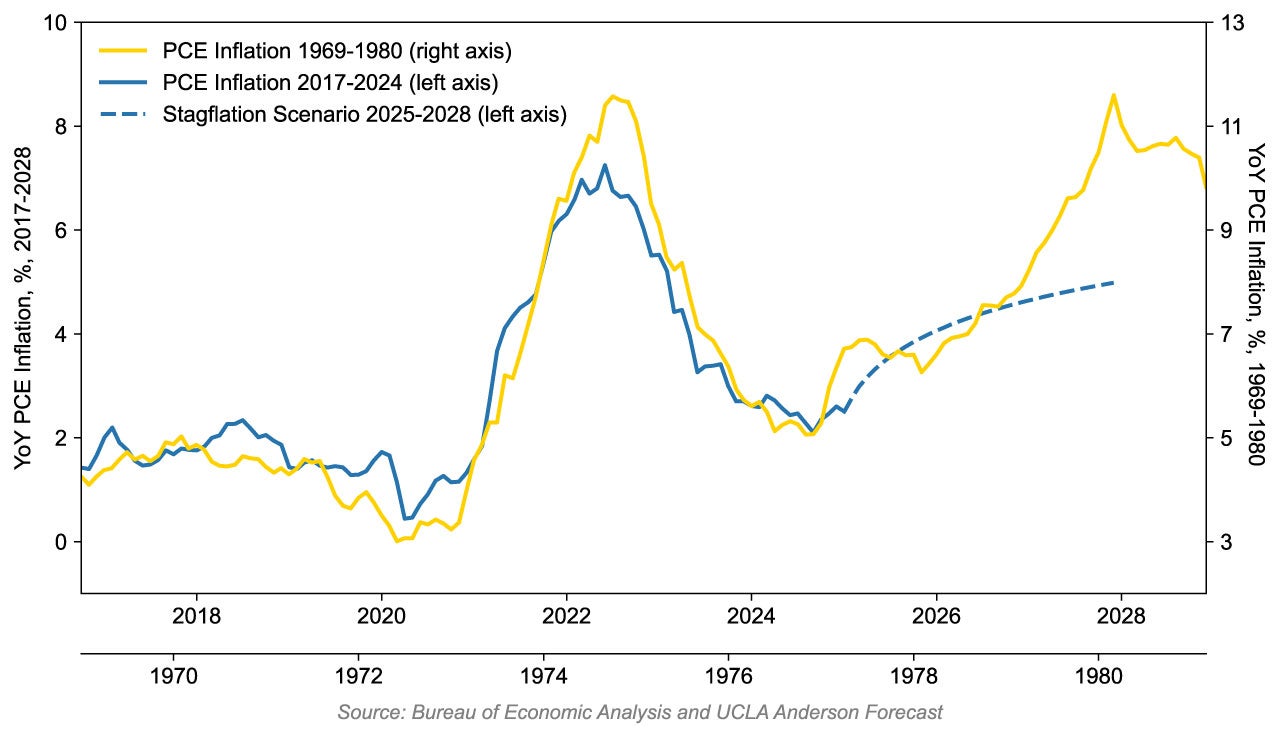
Quick Overview
The global recession of 2025 is impacting economies worldwide, but developing countries, heavily debt-dependent nations, and export-driven economies are among the most affected. Rising inflation, high interest rates, slow global trade, and geopolitical tensions are key reasons behind the economic slowdown.
Detailed Analysis: Understanding the Global Recession in 2025
The world economy in 2025 is facing one of its most challenging periods in recent years. While not every country is officially in recession, economic growth has slowed significantly across multiple regions, raising concerns about jobs, inflation, and financial stability.
A global recession does not mean all countries collapse at once. Instead, it means many major economies experience weak or negative growth at the same time, affecting global trade and financial markets.
Key Causes of the 2025 Global Recession
1. High Inflation & Interest Rates
To control inflation, central banks kept interest rates high, which led to:
-
Reduced consumer spending
-
Slower business investment
-
Higher loan and mortgage costs
This has weakened economic growth worldwide.
2. Global Conflicts & Political Instability
Ongoing geopolitical tensions have disrupted:
-
Energy supplies
-
Trade routes
-
Investor confidence
Uncertainty discourages long-term investments and slows economies.
3. Weak Global Trade
International trade growth has slowed due to:
-
Protectionist policies
-
Supply chain disruptions
-
Declining consumer demand
Export-dependent countries have been hit particularly hard.
Countries Most Affected by the Global Recession
1. Developing & Low-Income Nations
These countries face:
-
Rising debt burdens
-
Currency depreciation
-
Reduced foreign investment
Many rely on loans and imports, making them vulnerable during global downturns.
2. Export-Driven Economies
Countries that depend heavily on exports are struggling as global demand falls. Reduced manufacturing output and job losses have become common.
3. Europe
Several European economies face:
-
Energy price volatility
-
Slow industrial production
-
Aging populations
Economic recovery remains fragile across the region.
4. Emerging Markets
Emerging economies face capital outflows as investors move toward safer assets, weakening local currencies and increasing inflation.
Impact on Jobs & Living Costs
The recession has led to:
-
Job cuts in manufacturing and tech sectors
-
Rising cost of living
-
Reduced household purchasing power
Middle-class and low-income families are feeling the pressure the most.
Is a Global Recovery Possible?
Yes — but gradual.
Positive Signs:
-
Inflation slowly stabilizing
-
Some central banks planning rate cuts
-
Increased focus on digital and green economies
However, recovery will depend on global cooperation, stable energy prices, and political stability.
Final Verdict
The global recession of 2025 is real, uneven, and complex. While some countries are more affected than others, no economy is completely immune. Governments and businesses must adapt quickly to avoid prolonged economic pain.