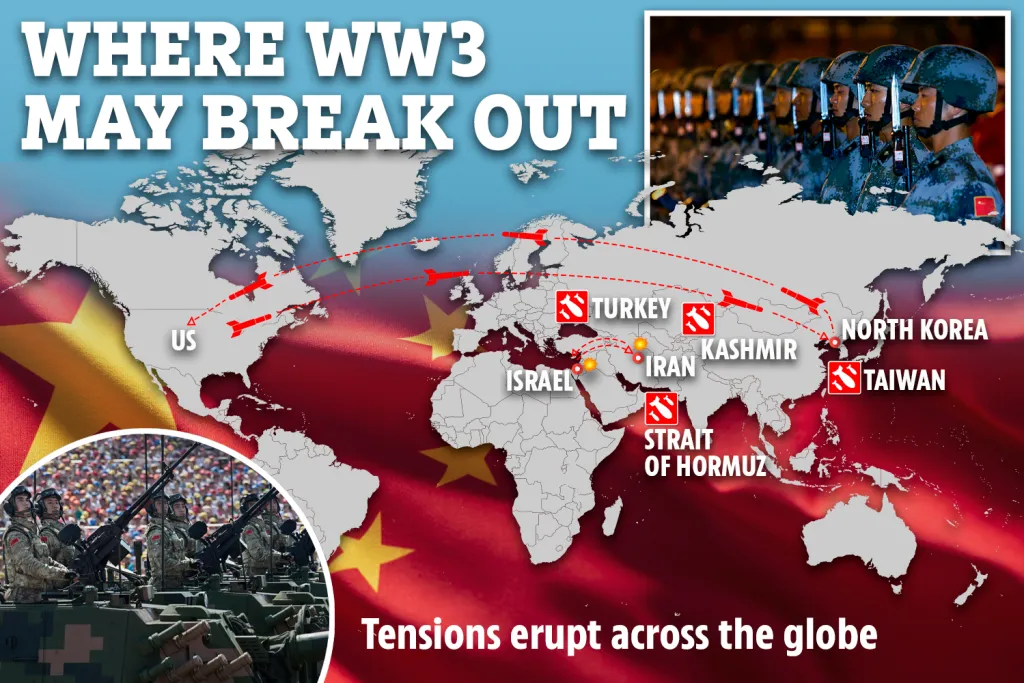
The question on many minds today is: Is WW3 coming? With rising tensions in Taiwan and the ongoing war in Ukraine, the possibility of a large-scale conflict seems more real than ever. Both of these regions are not just flashpoints in geopolitics; they could very well be the catalyst for something far greater. This article will explore the latest updates from Taiwan and Ukraine, analyze the potential for escalation, and discuss whether we are truly on the verge of a world war.
1. Understanding the Geopolitical Context: A Broader View of WW3 Risks
A. Tensions in Ukraine: A Global Flashpoint
The war in Ukraine, which began with Russia’s invasion in early 2022, continues to be one of the most significant international conflicts of the modern era. Russia’s actions have caused widespread destruction and loss of life, and the world has watched as NATO, led by the United States, has provided substantial military and economic support to Ukraine. While the war remains largely contained within Ukraine’s borders, the ongoing involvement of global powers, especially Russia and the West, raises the possibility of broader confrontation.
Escalation Risks and Global Involvement
The conflict has drawn attention to the risk of escalation, where a regional conflict could spill over into something larger. NATO’s involvement, although not direct military engagement, has helped bolster Ukraine’s resistance, but Russia has warned of further escalation if its interests are not respected. If NATO were to become directly involved, there is a genuine risk that the war could widen into a global conflict.
B. Taiwan: The Epicenter of US-China Tensions
While Ukraine remains a significant geopolitical issue, the tensions surrounding Taiwan have the potential to ignite a much larger global conflict. Taiwan is considered by China to be part of its territory, but the island nation operates as a democratic entity, with support from the U.S. and several Western allies. The growing pressure from China on Taiwan, coupled with the U.S.’s support for Taiwanese sovereignty, creates a scenario ripe for conflict.
Rising Military Tensions in the Taiwan Strait
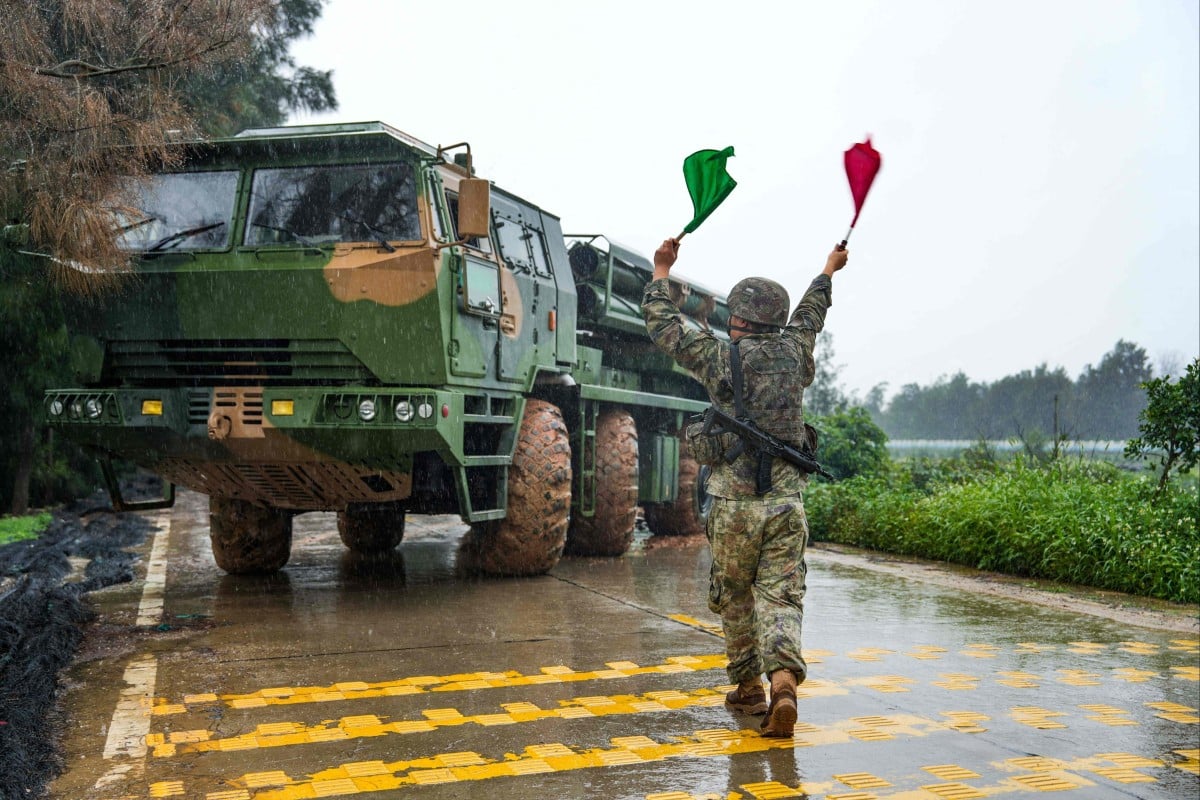
In recent months, China has ramped up military drills and incursions into Taiwanese airspace and waters. China’s aggressive stance, especially its growing military presence near Taiwan, is concerning for the global community. The U.S., under its commitment to Taiwan’s security, has been increasing military aid and support to ensure Taiwan’s defense capabilities. However, China views this as interference, and there is a significant risk of military conflict should tensions boil over.
The situation is exacerbated by the fact that Taiwan is crucial not only for political reasons but also for economic ones, particularly in the semiconductor industry, where Taiwan plays a critical global role. This makes any potential disruption in Taiwan particularly dangerous for the world economy.
2. Could These Conflicts Actually Lead to WW3?
A. The Escalation of Regional Conflicts
The idea of World War III is often linked to the escalation of regional conflicts into broader wars involving multiple nations. The Ukraine conflict has already involved NATO countries, though not directly in battle. If a direct confrontation were to occur between Russia and NATO, the situation could quickly spiral out of control. Similarly, Taiwan’s strategic importance means that any conflict there could trigger alliances, with the U.S., Japan, and other countries possibly entering the fray in defense of Taiwan.
B. The Role of Alliances and Treaties
Both of these conflicts are fraught with complex alliances. In the case of Ukraine, NATO’s involvement has been more about providing support than direct engagement. However, the alliance’s commitment to collective defense under Article 5 could draw multiple nations into direct conflict if one of its members were attacked. Similarly, the U.S. has a mutual defense treaty with Taiwan, which could force American intervention if China takes military action against the island.
However, despite the potential for military escalation, many analysts believe that full-scale global war is unlikely due to the inherent risks that such a conflict would pose, particularly with nuclear-armed nations involved.
3. Economic and Political Factors That Could Prevent WW3
While military tensions are certainly high, there are several economic and diplomatic factors that work to prevent a world war from breaking out:
A. Mutual Economic Dependencies
In today’s interconnected world, nations like the U.S., China, and Russia have extensive economic ties that act as a deterrent to full-scale war. Trade between major global powers, particularly between China and the U.S., makes conflict less appealing for both sides. A world war would severely damage the global economy, something none of these countries can afford in the long run.
B. Nuclear Deterrence
The threat of nuclear war has historically acted as a major deterrent to large-scale conflict. Countries like the U.S., Russia, and China possess nuclear arsenals that serve as a powerful check on direct military confrontation. Nuclear deterrence means that while tensions may rise, the catastrophic consequences of using nuclear weapons remain a significant barrier to escalation into global warfare.
4. Public Perception of WW3 and Media Influence
Public opinion around the world has become increasingly concerned about the possibility of WW3, largely fueled by media coverage and the constant updates on Taiwan and Ukraine. However, it’s important to distinguish between geopolitical tension and actual warfare. While the news focuses heavily on military mobilizations and political posturing, these are not always indicative of an impending world war.
A. Misinformation and Fear-Mongering
The proliferation of misinformation and sensationalized news reports can also contribute to a climate of fear. While Taiwan and Ukraine are serious issues, the global diplomatic efforts to manage these situations often go unnoticed. Preventive diplomacy and negotiations continue behind the scenes to ensure that tensions do not escalate into full-scale war.
B. Public Anxiety and the Role of Social Media
Social media plays a role in amplifying anxiety. Misleading headlines, rumors, and unverified sources can fuel fears about the outbreak of war. In reality, both the U.S. and China have emphasized diplomatic solutions to the Taiwan issue, and while Russia’s actions are concerning, diplomatic efforts are also underway to bring the conflict in Ukraine to an end.
5. Key Indicators to Watch for in Preventing WW3
As the situation continues to evolve, it’s important to keep an eye on key indicators that can help determine whether tensions are escalating towards a larger conflict.
| Indicator | Why It Matters | Current Status |
|---|---|---|
| Increased Military Engagement | More direct involvement can lead to conflict escalation | Occasional skirmishes in Ukraine, limited military escalation in Taiwan |
| Diplomatic Talks and Peace Initiatives | Continued dialogue can prevent full-scale war | Ongoing diplomatic efforts in Ukraine; peace talks in Taiwan’s case |
| Economic Sanctions and Trade Restrictions | Economic tools used to prevent further escalation | Ongoing sanctions on Russia, Taiwan’s economic support from the West |
6. Conclusion: Is WW3 Coming? The Realistic Outlook
The current tensions in Ukraine and Taiwan undoubtedly raise global concerns about the possibility of World War III. However, while the risks of escalation are real, a global conflict is not an inevitable outcome. The world is filled with complex diplomatic and economic deterrents that prevent nations from directly confronting each other, especially when nuclear weapons are in play.
At present, WW3 remains a possibility, not a certainty. While the world must remain vigilant and prepared, continued diplomatic engagement and economic interdependence make full-scale war unlikely for the time being. Keep informed, stay aware of developments, and continue supporting efforts for peaceful resolution of conflicts.
By focusing on preventive diplomacy and understanding the geopolitical landscape, we can better navigate the complexities of the modern world without succumbing to fear.