Introduction: The Nuclear Missiles in Belarus Debate
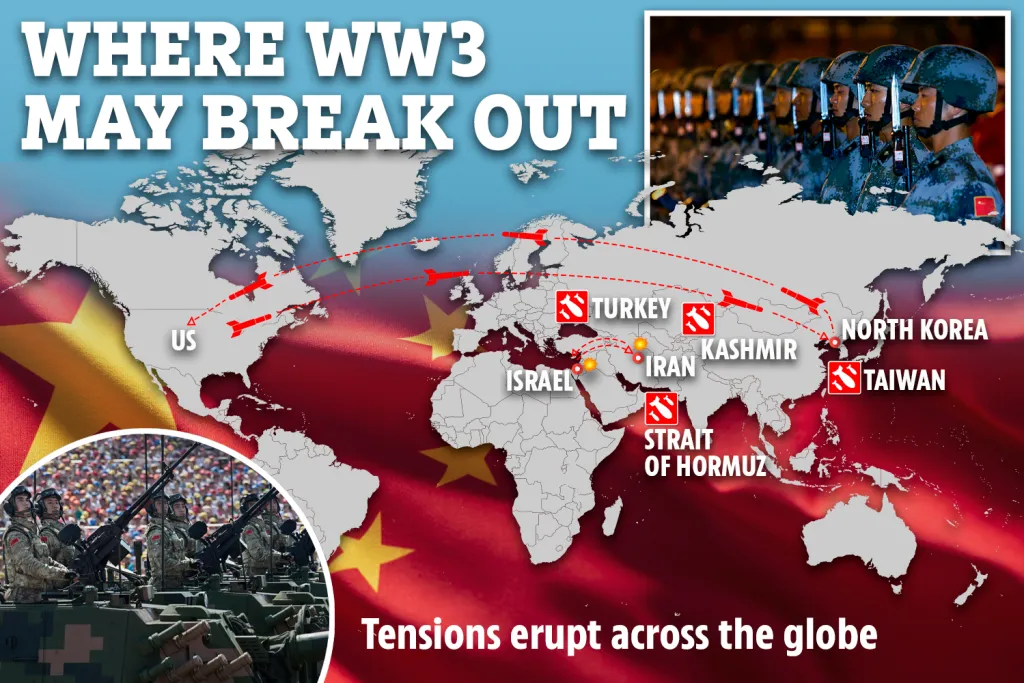
In recent months, global tensions have risen dramatically, particularly due to speculation about nuclear missiles in Belarus. This news has ignited fears among international observers that it might signal the beginning of an escalation towards World War III (WW3). The topic has been widely discussed, with some media outlets and political figures raising alarms, while others claim that the reports are exaggerated or misinterpreted.
As the situation unfolds, it’s essential to understand the truth behind these rumors, the geopolitical context in which they exist, and what they could mean for the future of global peace. This blog will break down the claims, analyze their validity, and explore the broader implications of nuclear weapons in Belarus, the role of Belarus in global geopolitics, and whether these tensions could lead to WW3.
1. The Claims: What We Know About Nuclear Missiles in Belarus
The recent buzz about nuclear missiles in Belarus centers on a statement made by Russian officials, who suggested that nuclear weapons could be stationed in Belarus, a country that has traditionally not housed such weaponry. These discussions have primarily followed Russia’s ongoing military involvement in Ukraine, with Western nations increasing sanctions and military support for Ukraine.
A. Russia’s Strategic Military Objectives
Russia has a history of stationing nuclear weapons on the borders of NATO countries, and the placement of such weapons in Belarus is seen by some as an extension of this strategy. Belarus shares a direct border with Poland, a NATO member, and its proximity to several Western European capitals raises alarms about the potential proximity of Russian nuclear capabilities to NATO territory.
In 2025, Russia and Belarus entered into a broader military cooperation agreement. Under this deal, Russia’s nuclear weapons could potentially be deployed to Belarus, marking a significant shift in the region’s balance of power. These plans were framed by Russian officials as a response to NATO’s expanding influence and the presence of U.S. military infrastructure in Europe.
B. Belarus’s Role in Global Geopolitics
Belarus, led by President Alexander Lukashenko, has long been a close ally of Russia, but its strategic position has always kept it under the international spotlight. Historically, Belarus has hosted Russian military assets but had no direct involvement in nuclear weapons placement until recently. As Russia’s military presence grows in Belarus, so does the possibility of more nuclear weaponry being stationed there.
The idea of placing nuclear missiles in Belarus is seen by many as an attempt by Russia to counter NATO’s increased presence in Eastern Europe. NATO has expanded since the end of the Cold War, incorporating several Eastern European countries like Poland, Romania, and the Baltic States, which have all received significant military support from the U.S. and other Western nations. The idea of nuclear weapons so close to NATO territory is raising concerns of military escalation.
2. Nuclear Missiles in Belarus and the Threat of WW3
A. Are We Heading Toward WW3?
While the news about nuclear missiles in Belarus has generated a lot of buzz, it’s important to distinguish between speculation and the actual probability of a global conflict. Many analysts point out that while tensions are certainly high, the likelihood of these missile deployments leading to WW3 is not as imminent as some may fear.
In fact, Russia’s use of nuclear weapons in Belarus can be viewed as a military posturing tactic. It is unlikely that Russia or NATO would want to engage in direct confrontation that could escalate into nuclear warfare, given the catastrophic consequences. Instead, these actions are seen as part of the broader strategic competition and influence-building between Russia and the West.
B. Geopolitical Implications of Nuclear Deployment
The deployment of nuclear missiles in Belarus would significantly impact global geopolitics. NATO, under its Article 5 agreement, commits to mutual defense in case of an attack on any of its members. If nuclear missiles were stationed in Belarus, this would dramatically shift the security calculus for NATO members, particularly in Poland, the Baltics, and other European states. It would also likely provoke further sanctions and military reinforcements in the region.
However, it’s important to note that Russia’s primary goal is to deter NATO’s influence in Eastern Europe, rather than provoke a direct confrontation. While the threat of conflict has increased, the risk of World War III would still require multiple nations to escalate their actions and engage in direct warfare — an outcome that, while possible, remains far from a certainty.
3. Nuclear Tensions and the Global Response
A. International Reactions to Nuclear Weapons in Belarus
The international response to the potential deployment of nuclear missiles in Belarus has been swift. NATO has condemned the move, expressing concern over the growing militarization of Eastern Europe and the potential destabilization of regional peace. NATO Secretary-General Jens Stoltenberg has emphasized the alliance’s commitment to countering any military threats posed by Russia and reaffirmed NATO’s support for Ukraine.
In response, Russia has stated that it reserves the right to station nuclear weapons wherever it deems necessary for its defense and strategic interests. This rhetoric is part of a broader effort by Russia to assert its military dominance in the region and to challenge Western influence.
While many countries have condemned Russia’s actions, diplomatic channels remain open. The United States and European Union have made clear their opposition to Russia’s nuclear posturing, while urging for peaceful dialogue and a return to diplomatic negotiations.
B. Economic Sanctions and Diplomatic Pressure
As a result of escalating tensions, Western nations have imposed economic sanctions on Russia, targeting its energy exports, military industries, and key financial sectors. These sanctions aim to pressure Russia into reconsidering its military activities and to prevent further nuclear escalation. Meanwhile, the U.S. and its NATO allies have strengthened their defense postures in Europe, including increasing military aid to Ukraine and sending more troops to NATO member states in Eastern Europe.
However, despite these efforts, there are concerns that increasing economic and military pressure could provoke further escalation. Experts caution that diplomatic efforts must continue, as military confrontation between nuclear-armed powers could have catastrophic consequences.
4. The Role of Nuclear Deterrence and Risk of Escalation
A. Nuclear Deterrence and Global Security
The concept of nuclear deterrence is based on the idea that the possession of nuclear weapons prevents other countries from attacking due to the fear of massive retaliation. Both the U.S. and Russia, as well as other nuclear states, maintain this strategy to protect their sovereignty and maintain global stability.
In theory, the presence of nuclear missiles in Belarus would increase the military threat to NATO, but it could also have the opposite effect. The placement of nuclear missiles so close to NATO members could act as a deterrent to any direct military engagement, forcing all parties to engage in more cautious diplomacy. However, the real concern lies in the miscalculation that could lead to accidental escalation.
B. The Risk of Accidental Nuclear Conflict
One of the most significant concerns surrounding nuclear weapons in Belarus is the risk of accidental conflict. Nuclear accidents or misunderstandings between nations could easily lead to escalation, especially in a highly charged environment where diplomatic communication is breaking down. This is why many experts call for arms control agreements and more robust international dialogue to reduce the risks of nuclear conflict.
5. What Could Happen Next? The Future of Belarus and Global Security
A. Diplomatic Efforts to De-escalate
The future of Belarus, nuclear weapons, and global security hinges largely on diplomatic efforts. The United Nations, the European Union, and the U.S. have all urged for de-escalation and renewed talks. Given the catastrophic consequences of nuclear war, the priority for global leaders is to prevent any actions that could lead to an irreversible breakdown in diplomatic relations.
B. The Importance of International Cooperation
International cooperation is essential to managing the tensions around nuclear missiles in Belarus. The global community must prioritize open channels of communication, trust-building, and conflict resolution mechanisms to prevent further escalation. While tensions are high, war is not inevitable, and the focus should remain on peaceful resolution and the prevention of any military miscalculations.
6. Tips for Staying Informed About Global Tensions
A. Monitor Trusted News Sources
Stay informed by following credible and reliable news sources. Regular updates from international agencies and government officials can provide real-time information about the situation in Belarus, Taiwan, and other geopolitical flashpoints.
B. Understand the Context of Global Tensions
It’s important to recognize that the possibility of nuclear conflict or World War III is not just about specific actions, but about how nations react to those actions. Understanding the historical context, international relations, and the nuclear policies of involved countries can help provide a clearer picture of why these tensions exist and how they might be de-escalated.
C. Engage with Expert Analysis
Reading expert analyses and geopolitical reports can help you separate speculation from fact. Often, experts will highlight diplomatic solutions and geopolitical realities that can influence the outcome of high-risk situations.
Conclusion: The Reality of Nuclear Missiles in Belarus and WW3
While the rumors about nuclear missiles in Belarus have sparked global concern, it is crucial to approach the situation with a clear understanding of the complexities involved. As of now, the risk of WW3 remains unlikely, but the potential for escalation is real, and the global community must remain vigilant. The situation requires careful diplomatic management to prevent any further deterioration of relations between nuclear-armed states.
Diplomatic efforts, global cooperation, and consistent dialogue remain essential in avoiding catastrophic consequences. The reality of the nuclear situation in Belarus and the larger geopolitical dynamics at play is complex, but with appropriate diplomatic measures, the risk of World War III can be mitigated.