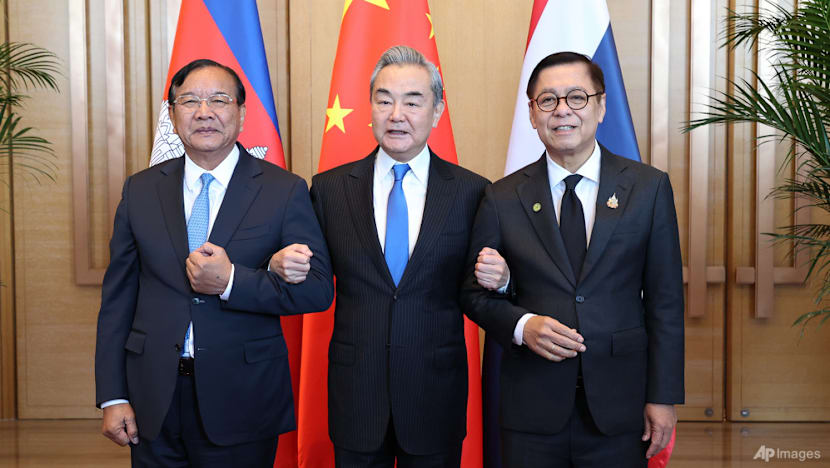
In a significant development aimed at fostering peace and stability in Southeast Asia, Thailand and Cambodia have recently agreed to reinforce their ceasefire agreements amid escalating tensions in their border regions. This decision comes after prolonged diplomatic talks and marks a critical step in resolving territorial disputes and reducing the risk of further conflict between the two nations.
The agreement not only holds immense importance for both countries but also for the entire region, given the geopolitical significance of Southeast Asia. As both Thailand and Cambodia have long histories of border tensions, the strengthening of ceasefire terms presents an opportunity to explore more sustainable solutions for lasting peace.
In this article, we’ll explore the context behind the agreement, what it means for the two countries, and the broader regional implications. From the history of border disputes to the role of international diplomacy, we’ll break down the key aspects of this crucial ceasefire agreement.
Background: The History of Thailand-Cambodia Border Disputes
Thailand and Cambodia share a long and complex border, with numerous disputed areas. One of the most notable flashpoints has been the region around the Preah Vihear Temple, a UNESCO World Heritage site situated on a cliff that straddles the Thai-Cambodian border. Both nations claim ownership of the temple and the surrounding land, leading to sporadic clashes over the years.
The Preah Vihear dispute was formally taken to the International Court of Justice (ICJ) in 1962, which ruled in favor of Cambodia, granting it sovereignty over the temple. However, the decision did not resolve the broader issue of the land surrounding the temple, which both sides continue to contest.
Since then, there have been several outbreaks of violence along the border, fueled by both national pride and geopolitical considerations. The areas involved are often rich in resources, making the disputes not just territorial but also economically significant. Over time, both nations have engaged in multiple rounds of peace talks and ceasefire negotiations, but these efforts have often been undermined by renewed violence.
The Role of Diplomatic Talks
Diplomatic talks have played an essential role in reducing tensions between Thailand and Cambodia. Over the past decade, several rounds of bilateral discussions have taken place, aimed at finding a long-term solution to the border disputes. However, previous ceasefire agreements have often been fragile, with both sides accusing each other of violating the terms.
The current ceasefire agreement, which has been reinforced recently, represents a major diplomatic breakthrough. Thai and Cambodian leaders have committed to taking concrete actions to de-escalate the situation, which includes deploying additional monitoring teams, enhancing communication between military forces, and ensuring the protection of civilian populations.
Key Details of the Ceasefire Agreement
The latest agreement builds on previous ceasefire efforts but includes more robust mechanisms for enforcement. Here are the key details of the new ceasefire agreement:
-
Strengthened Border Security Measures
Both nations have agreed to enhance border security to prevent further skirmishes between military forces. This includes the creation of buffer zones and better communication protocols between the Thai and Cambodian armed forces. The goal is to reduce the risk of accidental clashes, which have been a source of tension in the past. -
Deployment of Joint Monitoring Teams
To ensure that the ceasefire is being upheld, joint monitoring teams composed of personnel from both Thailand and Cambodia will be deployed along the border. These teams will be tasked with observing any potential violations and reporting them to the respective governments. -
Commitment to Peaceful Negotiations
Both Thailand and Cambodia have agreed to continue negotiations in a peaceful manner, with the primary goal of finding a mutually acceptable solution to the border disputes. The two countries have also pledged to involve international mediators if necessary, demonstrating a commitment to diplomacy over military action. -
Protection of Civilians
A crucial aspect of the ceasefire is the protection of civilians living in the disputed regions. Both sides have agreed to avoid military activities in populated areas, ensuring that civilians are not caught in the crossfire of any potential conflict. -
Regular Bilateral Talks
The ceasefire agreement includes provisions for regular high-level meetings between Thai and Cambodian officials. These meetings are aimed at ensuring both sides are up to date on the status of the ceasefire and can address any concerns before they escalate into full-blown conflicts.
The Impact on Regional Peace and Stability
This agreement between Thailand and Cambodia is not only significant for the two nations involved but also for the broader Southeast Asian region. The peace and stability of Southeast Asia are vital to global trade and diplomacy, with several countries relying on the region’s secure maritime and land routes for trade.
-
Regional Cooperation
The ceasefire agreement between Thailand and Cambodia sets a positive example of how two nations with a long history of disputes can come together to work toward peace. It also strengthens the relationship between the two countries, encouraging other nations in the region to pursue similar cooperative efforts. -
Southeast Asia’s Strategic Importance
Southeast Asia is a critical region in terms of global economic and political influence. The agreement between Thailand and Cambodia ensures that one of the most volatile borders in the region is no longer a source of instability. This will help create a more stable environment for international businesses and governments working in Southeast Asia. -
Reducing the Risk of Larger Conflicts
By reinforcing the ceasefire, Thailand and Cambodia are preventing the risk of localized skirmishes escalating into a larger conflict. This not only ensures the safety of civilians but also helps maintain peace in the region, which is essential for long-term economic and political stability. -
International Support for Peace Efforts
The international community has been supportive of Thailand and Cambodia’s efforts to resolve their border disputes through peaceful means. Both countries have received diplomatic backing from neighboring ASEAN countries and other global powers, further emphasizing the importance of regional stability.
Challenges Ahead
While the reinforced ceasefire agreement is a positive step, challenges remain. The continued presence of military forces along the border could still lead to tensions if either side feels threatened. Additionally, there are still unresolved issues surrounding the border’s demarcation, which could spark further disputes in the future.
The effectiveness of the ceasefire will largely depend on the commitment of both nations to uphold the terms of the agreement. Regular diplomatic engagement will be necessary to ensure that both sides continue to prioritize dialogue over military action.
Conclusion: A Step Toward Lasting Peace
The agreement between Thailand and Cambodia to strengthen their ceasefire is a major step forward in resolving one of the longest-standing border disputes in Southeast Asia. The commitment to enhancing border security, deploying joint monitoring teams, and prioritizing peaceful negotiations reflects a genuine desire for peace from both sides.
This agreement not only has the potential to foster a more stable environment for Thailand and Cambodia but also serves as a model for other nations in the region that may be facing similar territorial disputes. By continuing to focus on diplomacy and conflict prevention, Thailand and Cambodia are demonstrating that peaceful solutions to complex problems are possible, and that dialogue and cooperation are the keys to achieving lasting peace in the region.
In the coming years, it will be crucial for both nations to remain committed to their ceasefire agreement and to work together toward finding a long-term resolution to the issues that have plagued their border regions for decades. With continued international support and bilateral cooperation, Thailand and Cambodia may set the stage for a new era of peace and collaboration in Southeast Asia.