Global Tensions on the Brink
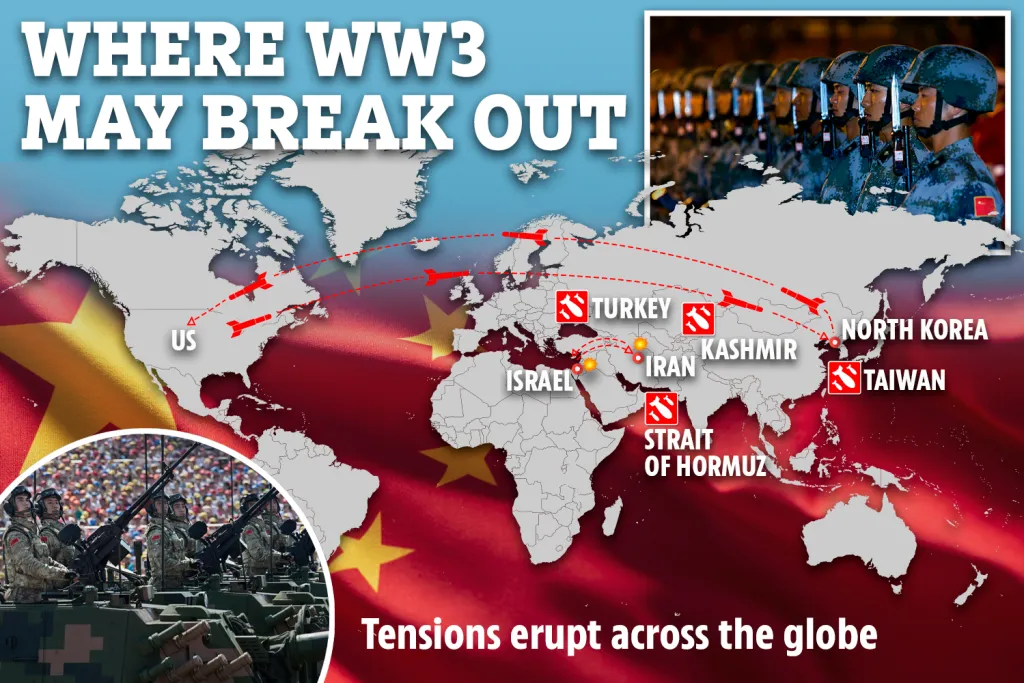
In the last few years, global geopolitical tensions have risen to levels that have sparked widespread concern. With mounting conflicts between Russia and Ukraine, combined with rising hostilities between China and Taiwan, the world seems to be on the edge of a more significant conflict. As a result, the question on many people’s minds is: Is WW3 coming?
While full-scale global conflict remains unlikely at this stage, the growing rivalry between Russia, China, and the West — especially in light of nuclear arms tensions and strategic military posturing — has ignited debates about the future of global peace. In this post, we’ll break down the latest developments involving Russia and China, explore their impacts on global stability, and assess how close the world is to a major conflict.
1. The Russia-Ukraine Conflict: A Major Trigger for Global Tensions
A. Ongoing Conflict in Ukraine: The Root of Russia’s Aggression
The war between Russia and Ukraine, which began in 2022, continues to shape global geopolitics and security concerns. While much of the fighting has been concentrated within Ukraine’s borders, the broader international implications are hard to ignore. Russia’s aggression in Ukraine has drawn condemnation from Western nations, including the U.S., NATO, and the European Union. They have provided significant military and economic support to Ukraine, reinforcing their opposition to Russia’s actions.
Russia’s Nuclear Posturing and Military Escalation
In response to international sanctions and military aid to Ukraine, Russia has ramped up its military capabilities, including threats of using nuclear weapons. This rhetoric has caused alarm in the international community, with many fearing that the situation could spiral out of control. If the war were to spread beyond Ukraine’s borders or if NATO were drawn into direct conflict, the risk of a broader confrontation — potentially triggering WW3 — would increase dramatically.
B. Impact on Global Politics and Economics
The war has not only destabilized Eastern Europe but also had global economic ramifications. Energy prices surged, with Russia’s oil and gas exports being targeted by Western sanctions. These sanctions, combined with global food shortages (a consequence of disrupted grain supplies from Ukraine), have fueled inflation and economic uncertainty worldwide. As the war drags on, the world continues to face the ramifications of a divided geopolitical landscape.
2. China’s Growing Military Presence: The Taiwan Factor
A. Rising Tensions Between China and Taiwan
One of the most contentious issues in East Asia is the relationship between China and Taiwan. China sees Taiwan as a breakaway province that must eventually be reunified with the mainland, by force if necessary. In recent months, China’s military activities around Taiwan have intensified. Taiwan has remained defiant, asserting its sovereignty as a democratic nation, and many Western nations, particularly the United States, continue to support Taiwan, providing military aid and expressing political solidarity.
The situation has led to concerns that China’s military posturing could escalate into an open conflict. This could quickly draw in other nations, including the U.S., Japan, and Australia, who have commitments to Taiwan’s defense and the maintenance of peace in the Indo-Pacific region.
B. Military Drills and China’s Strategic Goals
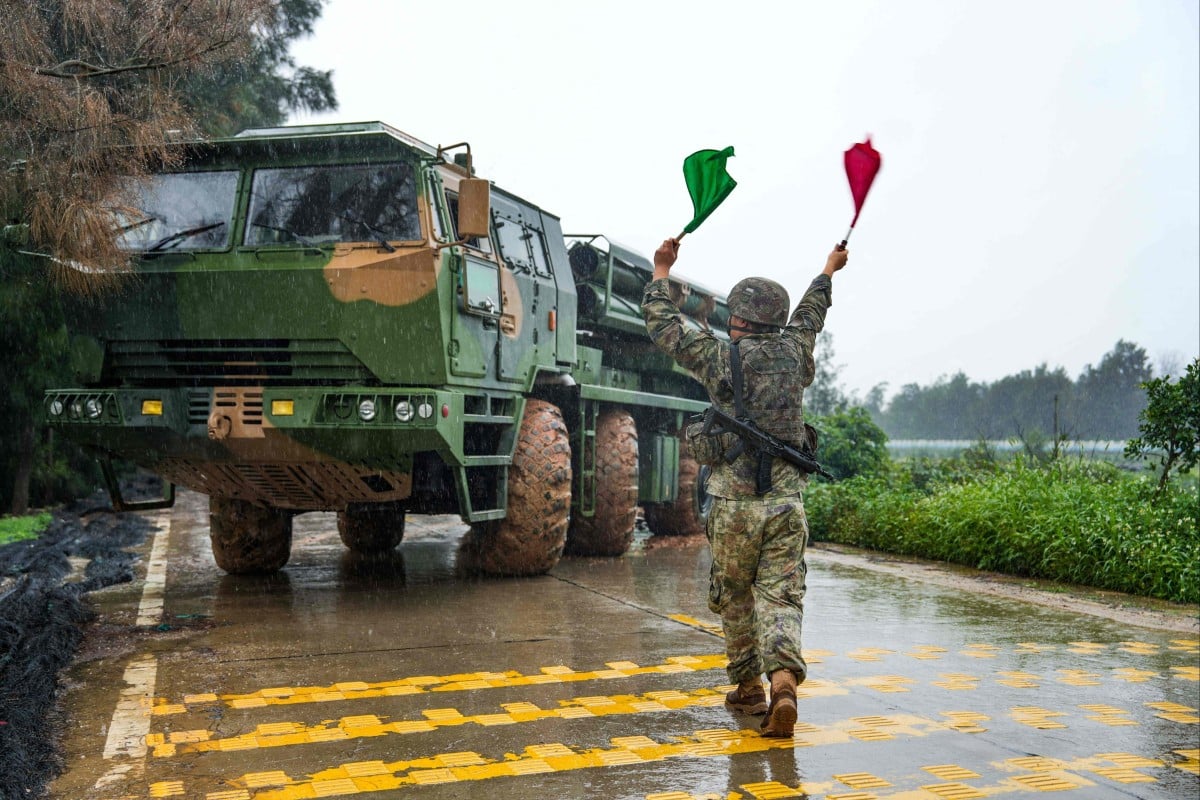
China has been conducting regular military drills near Taiwan’s airspace and waters, some of which simulate blockades and other forms of military aggression. The frequent military presence is a clear signal to the international community about China’s intentions and its growing willingness to use force to assert control over Taiwan.
As these military exercises grow in scale and frequency, Taiwan continues to bolster its defenses. In response, the U.S. has reiterated its support for Taiwan, deploying more military assets to the region to counter China’s expanding influence. While Taiwan itself has not been directly attacked, the threat of conflict looms larger each day, especially if China decides to escalate further.
3. The China-Russia Relationship: Growing Ties Amidst Tensions
A. Strengthened Alliances Between China and Russia
One of the most significant developments in global politics over the past few years has been the growing alliance between China and Russia. Despite having different long-term strategic goals, these two countries have found common ground in their opposition to U.S. and Western influence. In fact, both nations have strengthened diplomatic, economic, and military cooperation in recent years.
China has supported Russia’s stance on issues such as the Ukraine war, framing the conflict as part of a broader effort to prevent the expansion of Western influence. On the other hand, Russia has tacitly supported China’s position on Taiwan, despite the ongoing tension in the region.
B. The Strategic Implications of the China-Russia Partnership
The growing partnership between China and Russia is seen as a significant geopolitical shift. While neither country is likely to formally join forces in an all-out military conflict, their coordination has already led to joint military exercises, trade agreements, and a shared stance on issues like economic sanctions and global governance.
This new alignment between Russia and China is making it increasingly difficult for the West to navigate the global landscape. The U.S. and its allies are now faced with a more complex security environment, where the possibility of a dual-front confrontation — against both China in the Pacific and Russia in Europe — has become a more tangible threat.
4. The Risk of WW3: Can Tensions Be Managed?
A. The Role of Diplomacy in Preventing Escalation
While the risk of WW3 may seem plausible given the growing tensions between Russia, China, and the West, there are significant efforts to maintain peace and avoid full-scale conflict. Diplomatic channels are still active, with the United Nations, NATO, and other international organizations continuing to push for dialogue and conflict resolution.
In the case of Ukraine, numerous peace talks have been attempted, although these have failed to yield a comprehensive settlement. Similarly, in the Taiwan Strait, international diplomacy remains the preferred tool for conflict resolution, although military deterrence is equally important to prevent Chinese aggression.
B. The Deterrent Effect of Nuclear Weapons
One of the most significant factors preventing a direct military confrontation is nuclear deterrence. Both Russia and China possess nuclear arsenals capable of causing unprecedented destruction. The fear of nuclear war has kept global powers from fully engaging in direct military combat, as the consequences of such actions would be catastrophic for all parties involved.
However, the rhetoric surrounding nuclear weapons and the potential use of tactical nuclear strikes in both Ukraine and Taiwan raises serious concerns. The closer countries get to using nuclear weapons, even for deterrent purposes, the greater the risk that escalation will spiral out of control.
5. What Can the Global Community Do to Prevent WW3?
A. Strengthening Global Alliances
One of the most important steps the international community can take to prevent WW3 is to continue strengthening alliances. NATO’s role in supporting Ukraine and Taiwan is critical in deterring Russian and Chinese aggression. U.S.-led alliances, including partnerships with Japan, South Korea, and Australia, must remain strong to provide a counterbalance to both Russia and China.
B. Engaging in Peacebuilding Initiatives
While military preparedness is crucial, peacebuilding efforts are equally important. Continuing diplomatic negotiations, encouraging dialogue between rival states, and offering international mediation can go a long way in reducing tensions. The world needs to prioritize conflict prevention, engage in multilateral discussions, and seek peaceful solutions to avoid military conflict.
C. Monitoring Nuclear Proliferation
Another key issue that could prevent WW3 is nuclear proliferation. The global community must prioritize non-proliferation efforts, working together to prevent the spread of nuclear weapons, encourage disarmament, and avoid further nuclear confrontations. Transparency in nuclear arsenals and ensuring nuclear security could help mitigate risks in the future.
6. Conclusion: The Path Forward for Global Peace
While the current geopolitical landscape is fraught with tension and the threat of WW3 cannot be ruled out entirely, there are mechanisms in place that work toward de-escalating conflicts. Russia and China pose significant challenges to global stability, but international diplomacy, military deterrence, and economic sanctions play an important role in keeping tensions in check.
The key to avoiding WW3 is the continued pursuit of peace and stability through diplomatic channels, mutual respect, and strategic cooperation. While the world faces critical challenges, the path forward requires collaboration and a firm commitment to preventing the escalation of conflict. The risk of global war is real, but with careful management, it remains a possibility we can avoid.