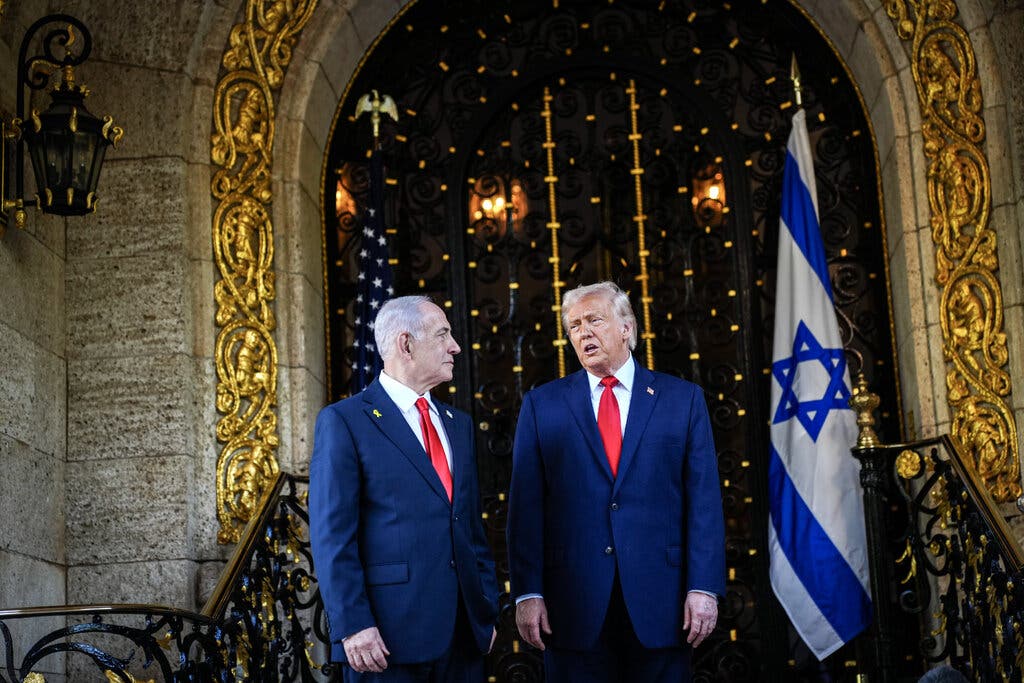
In a high-stakes diplomatic meeting at Mar-a-Lago on Monday, December 29, 2025, President Donald Trump hosted Israeli Prime Minister Benjamin Netanyahu for talks on reconstruction efforts in Gaza and other pressing geopolitical matters. This meeting comes at a time of mounting tensions over Israel’s recent military actions in Gaza, Syria, and Lebanon, which have drawn concern from the U.S. administration. The discussions are expected to delve into sensitive topics, including the long-term reconstruction of Gaza and the broader Middle East peace process.
Let’s take a closer look at where things stand following President Trump’s discussions with Netanyahu, as well as his ongoing engagement with Russia and Venezuela.
Netanyahu’s Visit to Mar-a-Lago: Pressing Issues on the Table
Prime Minister Netanyahu arrived at Mar-a-Lago for a critical meeting with President Trump, with Gaza reconstruction topping the agenda. Trump confirmed that the leaders would be addressing this issue in addition to other significant matters, including military operations in Lebanon and Syria, and the broader strategic goals of both the U.S. and Israel.
Trump hinted at an optimistic timeline for Gaza’s reconstruction, stating that he expected efforts to “begin soon.” However, tensions remain high as Israel’s recent strikes in Gaza have come under scrutiny from both international observers and some in the Trump administration. With Israeli military actions also taking place in Syria and Lebanon, questions linger about the broader impact of these actions on U.S. efforts to stabilize the region.
The stakes are high for Netanyahu, who faces mounting domestic challenges, including his ongoing bribery and fraud trial and the potential for electoral defeat in the coming Israeli elections.
Ukraine Talks: A Shift in Diplomatic Dynamics
The geopolitical stage expanded beyond Gaza as President Trump also focused on the ongoing conflict in Ukraine. Trump had a “positive” conversation earlier in the day with Russian President Vladimir Putin, marking the second consecutive day of talks between the two leaders. The ongoing dialogue is part of broader efforts to address the war in Ukraine and related security concerns.
On Sunday, December 28, Trump hosted Ukrainian President Volodymyr Zelensky at Mar-a-Lago, where the two leaders discussed the ongoing conflict and the potential for a peace agreement. Despite some of the challenges in their discussions, Zelensky expressed optimism, noting that the talks were productive, and President Trump signaled continued engagement in the peace process.
This interaction represents a critical moment in the U.S.-Ukraine relationship, as Trump refrains from making concrete peace deals but also reassures Zelensky of continued support, particularly in regard to security guarantees for Ukraine.
Venezuela: U.S. Military Operations Ramp Up
Meanwhile, President Trump also spoke on the United States’ increasing military engagement in Venezuela. During a radio interview, Trump revealed that the U.S. had recently knocked out a “big facility” in Venezuela as part of the ongoing military campaign against drug trafficking in the region. While Trump did not provide specifics, this apparent strike adds to the growing list of U.S. operations targeting Venezuelan narcotics infrastructure.
This operation follows a series of military strikes on Venezuelan drug boats, which have resulted in multiple casualties. The growing campaign against Nicolás Maduro’s government has been framed as a counter-narcotics operation, though critics question the legal grounds for such aggressive actions.
While some officials have confirmed the attack on a “facility,” there has been no official acknowledgment from Venezuela regarding these developments, and the CIA and military officials have declined to comment further on the operation.
False Claims by Trump on Hostage Release from Gaza
During a press conference, President Trump made a false claim regarding the release of hostages from Gaza under the Biden administration. Trump stated that no hostages had been freed during Biden’s tenure, which is inaccurate. In reality, 105 hostages were released during the 2023 cease-fire, including 81 Israelis, 23 Thais, and one Filipino.
The president’s misstatement comes amid renewed focus on the situation in Gaza, where Trump has expressed frustration over the pace of progress in peace talks and reconstruction efforts. This claim adds another layer of complexity to the already sensitive relationship between the U.S. and Israel during this time of heightened tensions in Gaza.
Netanyahu’s Growing Domestic Challenges
As Netanyahu’s meeting with President Trump unfolds, political pressures back home are mounting. Netanyahu is currently embroiled in a criminal trial for bribery and fraud, casting a shadow over his leadership and prospects in the upcoming elections. Additionally, Israel’s military actions in Syria and Lebanon have created tensions not just with the U.S. but also with regional actors, complicating Netanyahu’s diplomatic maneuvering.
With polls indicating that Netanyahu is facing increasing challenges ahead of the 2026 Israeli elections, the pressure is building on him to deliver tangible results from his meeting with Trump. The outcome of these talks, particularly on Gaza reconstruction, could play a crucial role in shaping his political future.
The Bigger Picture: Trump’s Influence in Global Diplomacy
President Trump’s efforts to exert influence over global conflicts—whether in Gaza, Ukraine, or Venezuela—demonstrate his ongoing role as a key figure on the international stage. While his approach may differ from that of traditional diplomatic efforts, his influence on these global issues is undeniable.
In Gaza, Trump’s push for rapid reconstruction efforts aligns with his broader goals of exerting U.S. influence in conflict zones. His administration’s role in Ukraine peace talks further underscores his desire to shape the future of Eastern Europe and address Russia’s aggression. Meanwhile, his campaign against Venezuela reflects his broader strategic goals in Latin America, where Maduro’s regime has long been a point of contention.
As 2025 comes to a close, President Trump’s diplomacy will likely continue to evolve, with global implications for security, foreign policy, and U.S. interests abroad.
Conclusion: What Lies Ahead for U.S. Diplomacy in 2026?
The meetings and discussions between President Trump and Prime Minister Netanyahu underscore the high-stakes nature of U.S.-Israel relations, especially in the context of Gaza reconstruction. Trump’s calls for swift action and his tough stance on Russia and Venezuela further signal that 2026 will be a year filled with diplomatic challenges and opportunities.
The shifting dynamics in both Ukraine and Gaza will likely remain central themes in U.S. foreign policy as Trump seeks to influence global peace efforts and secure his legacy on the world stage. However, with domestic political pressures mounting for Netanyahu and an ongoing challenge from Russia, the road ahead will be anything but predictable.