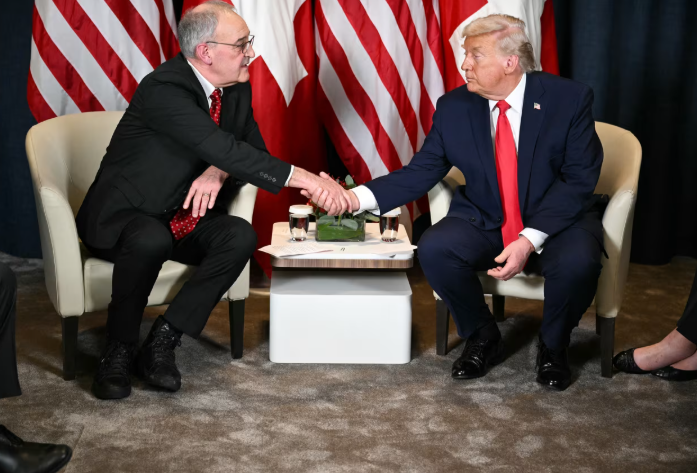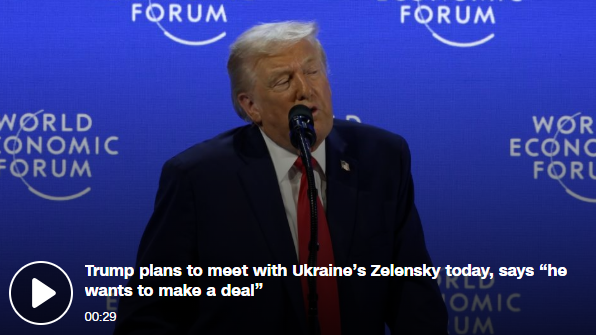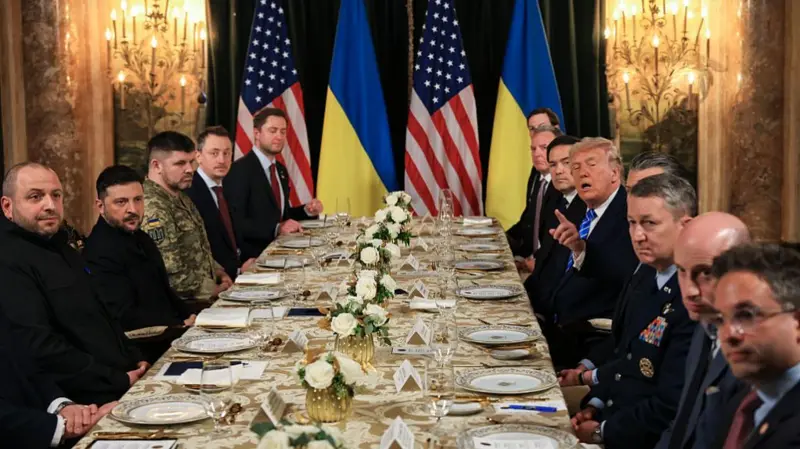
High-stakes diplomacy is unfolding in Florida as US President Donald Trump and Ukrainian President Volodymyr Zelensky meet at Mar-a-Lago to discuss a potential peace deal aimed at ending the nearly four-year war between Ukraine and Russia. While optimism has been publicly expressed by both leaders, the talks are taking place against the backdrop of intensified fighting on the front lines in Ukraine and complex geopolitical manoeuvring involving Moscow and European allies.
A Meeting Marked by Symbolism and Secrecy
Members of the media were briefly allowed into the Mar-a-Lago dining room where the bilateral meeting was taking place before being abruptly asked to leave. In a moment that quickly caught attention, President Trump offered lunch to one reporter, telling aides to have the chef serve him food before escorting journalists out.
According to reports, while cameras were no longer welcome, the actual menu featured classic American dishes including pigs in a blanket, steak, fries, coconut shrimp, cookies and water. The light-hearted exchange contrasted sharply with the seriousness of the discussions taking place behind closed doors.
“The Makings of a Deal”
Speaking to reporters ahead of the meeting, President Trump said he believed the talks were in their “final stages,” adding that the “makings of a deal” were in place. He stressed that both Russia and Ukraine were serious about achieving peace and that the United States could help move the process forward rapidly.
President Zelensky echoed cautious optimism, saying the meeting was focused on advancing a previously developed 20-point peace plan. While he avoided specifics, Zelensky confirmed that territorial issues would be discussed, acknowledging that compromises may be part of any eventual agreement.
Following the meeting, Trump indicated that he would hold further discussions with European leaders and place another call to Russian President Vladimir Putin to continue negotiations.
Trump’s Call With Putin Raises Questions
Just hours before hosting Zelensky, President Trump spoke by phone with Vladimir Putin — a move that has drawn close scrutiny. According to Moscow, the call was “friendly and good-natured,” with both leaders expressing doubts about a temporary ceasefire proposed by the EU and Ukraine, arguing it could prolong the conflict rather than resolve it.
The timing of the call has revived concerns in Kyiv, recalling a previous instance where a Trump-Putin conversation reportedly derailed a proposed missile deal with Ukraine. While Trump has insisted Putin is “very serious” about peace, the Kremlin continues to resist key Ukrainian and European demands, particularly regarding ceasefires and foreign troop deployments.
Fighting Intensifies as Talks Continue
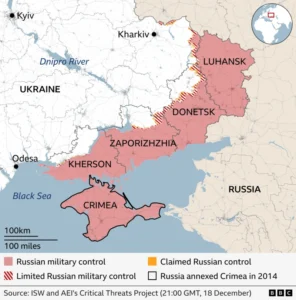
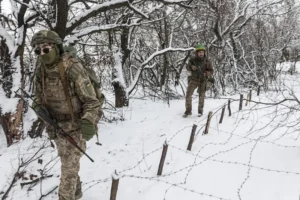
Even as diplomacy unfolds in Florida, the situation on the ground in Ukraine remains volatile. Russia claims to have captured several key locations in eastern and southern Ukraine, including areas near vital logistical hubs. Ukrainian forces deny these claims, stating that heavy fighting is ongoing and that Russian troops do not control the towns in question.
Military analysts suggest the timing of intensified Russian attacks is unlikely to be coincidental. By increasing pressure on the battlefield, Moscow may be seeking to weaken Ukraine’s negotiating position ahead of any potential deal.
Key Sticking Points in the Negotiations
Despite public optimism, significant obstacles remain. Core issues include territorial control, long-term security guarantees, and economic arrangements.
Ukraine has proposed limited troop withdrawals to create a demilitarised zone, but Russia is expected to reject such measures. Any territorial concessions would also require approval through a Ukrainian referendum, something that would necessitate a ceasefire — a step Russia has so far refused to take.
Security remains another major concern. Kyiv is seeking NATO-style guarantees from the US and European partners to protect against future Russian aggression. Moscow, however, has warned that any European troops stationed in Ukraine would be considered legitimate military targets.
Economically, discussions are expected to include the future of Ukraine’s Zaporizhzhia nuclear power plant, currently under Russian occupation, and whether joint US-Ukrainian involvement could play a role in its management.
European Reactions and Cautious Support
European leaders are closely watching the talks. UK Prime Minister Keir Starmer and other allies have publicly welcomed Trump’s diplomatic engagement while reiterating their support for Ukraine and condemning recent Russian attacks.
However, concerns persist that any rushed agreement could compromise Ukraine’s sovereignty or leave unresolved security risks that may reignite conflict in the future.
Optimism Tempered by Reality
While both Trump and Zelensky have expressed hope that peace could be achieved quickly, the gap between political statements and battlefield realities remains wide. With fighting intensifying and major disagreements unresolved, these talks may represent progress — but not yet a breakthrough.
As negotiations continue behind closed doors, the world is watching closely to see whether this Florida meeting marks the beginning of the end of Europe’s most devastating conflict in decades, or simply another chapter in a long and difficult road toward peace.