ETF Market Under Pressure Amid Volatility
The exchange-traded fund (ETF) market has been facing significant challenges in recent months as investor sentiment remains cautious. Despite the historical appeal of ETFs as a diversified and low-cost investment vehicle, outflows from these funds have continued to increase, reflecting broader market concerns. From economic uncertainty to regulatory concerns, a variety of factors are driving ETF outflows and keeping investors on edge.
Today, we’re witnessing market caution reflected in ETF trends, with many investors pulling their funds from equity and sector ETFs. As we close out the year, the growing unease around inflation, interest rates, and global instability has led to a cautious approach in the ETF space.
In this blog post, we will dive into the current state of the ETF market, examine why these outflows are happening, and explore what investors can expect from ETFs moving forward. We will also take a closer look at the impact of these trends on different sectors, asset classes, and overall investor behavior.
1. Understanding ETF Outflows: What’s Behind the Trend?
A. What Are ETF Outflows?
ETF outflows occur when investors sell shares of an exchange-traded fund, thereby causing a decrease in net assets under management (AUM). This is the opposite of ETF inflows, which happen when investors buy into the fund. Outflows are typically a sign of investor caution or a shift in market sentiment, where investors prefer to reallocate their assets elsewhere — often to safer or more stable investments.
For ETF investors, outflows can signal a lack of confidence in the market or specific sectors. These movements are particularly important because they can indicate broader trends, such as changing risk appetite, geopolitical uncertainty, or reactions to monetary policy shifts.
B. The Role of Market Volatility in Driving ETF Outflows
Recent volatility in the broader financial markets has contributed significantly to the ETF outflows we’re witnessing today. Investors are increasingly cautious amid concerns over inflation, interest rate hikes, and the overall economic slowdown in key markets. As global stock markets experience volatility, ETFs that track equities and other risk assets have been impacted by a pullback in investor confidence.
One of the key reasons for the ongoing outflows is that investors are reallocating their portfolios from riskier assets like stocks and ETFs into more stable options, such as cash, government bonds, or precious metals like gold. As interest rates rise, the appeal of equities, including those packaged in ETFs, has diminished for some investors, leading them to seek safer alternatives.
2. Factors Driving Caution in the Market
A. Interest Rates and Inflation Concerns
The Federal Reserve’s actions to combat rising inflation through aggressive interest rate hikes have been a key factor in shaping market sentiment. Higher interest rates make borrowing more expensive, which in turn can slow down economic growth and dampen corporate profits. In response, many investors have adjusted their portfolios by pulling out of equity ETFs, which are more sensitive to interest rate changes.
While rising rates may be necessary to curb inflation, they have added market uncertainty and created a more cautious investment environment. Bond ETFs, which have traditionally been safe-haven investments, have also seen a shift, as investors adjust to the changing rate environment.
B. Geopolitical Instability and Economic Uncertainty
Geopolitical concerns, such as the ongoing conflict in Ukraine and tensions between major global powers, have also added to investor unease. The uncertainty surrounding these events has led to an environment where risk assets, like equities and sector-specific ETFs, are underperforming.
Moreover, supply chain disruptions and the possibility of global recession have only heightened concerns about the stability of markets. Investors are retreating to safer assets, reducing their exposure to markets that have been the primary focus of ETF products in recent years, such as emerging markets and technology sectors.
C. Market Sentiment: Risk Aversion vs. Risk Appetite
Market sentiment plays a crucial role in shaping ETF trends. In periods of heightened uncertainty, investor risk aversion tends to dominate, leading to the withdrawal of funds from riskier assets, including growth-focused ETFs. As investors become more cautious about the near-term outlook, they prioritize safety over growth, pushing ETF inflows into conservative sectors or asset classes.
This shift in sentiment has been particularly evident in the technology sector, which has historically been a major driver of ETF performance. Many tech-focused ETFs have experienced significant outflows as rising interest rates and market uncertainty have led to a reevaluation of the growth prospects for these companies.
3. Impact of ETF Outflows on Different Sectors
A. Equity ETFs: The Hardest Hit
Equity ETFs, which track the performance of stock markets and sectors, have been hit hardest by the ongoing sell-off. As concerns about economic slowdown and inflation persist, equity-based ETFs have seen continued outflows. Sectors that were once seen as strong performers, such as technology and consumer discretionary, have experienced substantial losses in ETF markets.
In particular, growth-focused ETFs that track high-risk, high-reward sectors like technology have seen significant capital outflows. The Nasdaq-100 ETF, which tracks large-cap tech stocks, has faced considerable redemptions as investors pull back from growth assets.
B. Sector-Specific ETFs: Winners and Losers
While many sector ETFs have struggled amid the sell-off, there have been pockets of strength. For example, energy ETFs, which track oil and gas companies, have been relatively resilient due to strong performance in commodity markets. Rising energy prices have helped to buoy energy-focused ETFs, making them attractive to investors seeking exposure to inflation-protected assets.
In contrast, consumer staples ETFs and defensive sector ETFs have seen more moderate outflows. These sectors are viewed as safer investments during times of market uncertainty, making their respective ETFs more stable in comparison to riskier growth sectors.
C. Fixed-Income ETFs: Seeking Safe Havens
With rising interest rates impacting the broader market, fixed-income ETFs, which focus on bonds, have become more attractive to conservative investors. Although some bond ETFs have suffered due to rate hikes, many are still considered safer compared to riskier equity ETFs. As a result, investors have increasingly turned to bond ETFs for portfolio diversification and income generation, leading to an uptick in inflows for these products.
While high-yield bond ETFs have experienced some outflows, traditional government bond ETFs are seen as a safe haven during periods of volatility.
4. Outlook for ETFs: What to Expect in the Coming Year
A. A Cautious but Steady Recovery?
Despite the recent outflows, experts remain cautiously optimistic about the future of ETFs. The long-term outlook for the ETF market depends on several factors, including global economic recovery, stable inflation rates, and improved market sentiment.
In 2026, the ETF market could begin to stabilize as investors gain more clarity on interest rates and the economic outlook. Outflows may slow, and some sectors could begin to see renewed interest. Energy, healthcare, and consumer staples ETFs are expected to perform better than their riskier counterparts as investors continue to seek stability.
B. The Role of Passive Investing in Future ETF Trends
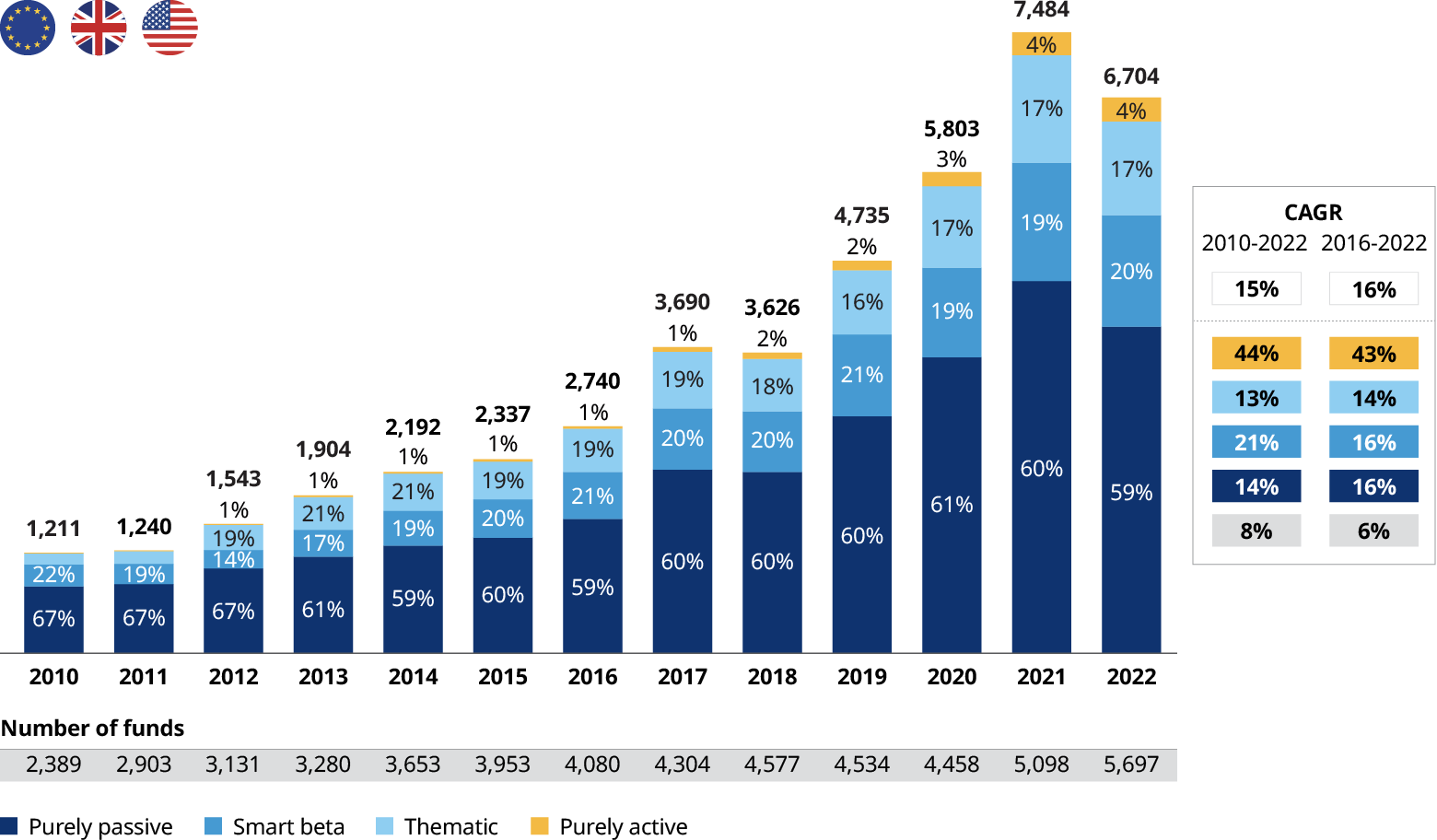
Passive investing has become one of the driving forces behind the growth of the ETF market. As more investors turn to low-cost, diversified portfolios, ETFs will continue to play an important role in long-term investing strategies. Even with the current market caution, ETFs will remain a popular choice due to their low fees, diversification, and ease of use.
As market conditions stabilize, passive ETFs could see a resurgence in demand, particularly as investors seek diversification across various asset classes.
C. The Continued Growth of Thematic and Niche ETFs
In addition to traditional broad-market ETFs, thematic and niche ETFs are likely to continue gaining traction. Thematic ETFs, which focus on specific trends like sustainability, AI technology, or blockchain, may offer investors opportunities for growth even in uncertain market conditions. As more investors seek targeted exposure to emerging sectors, the popularity of these ETFs could grow, offering higher potential returns despite the broader market volatility.
5. Conclusion: Navigating ETF Trends Amid Market Caution
The current ETF outflows reflect the broader concerns facing the market today. Investor caution, driven by macroeconomic uncertainty, rising interest rates, and geopolitical risks, is forcing many to rethink their positions in equity and sector ETFs. Despite this, there are opportunities for cautious investors looking to diversify and allocate funds to safer, more stable assets.
Looking ahead to 2026, the ETF market is expected to stabilize as market conditions evolve. As the economy recovers and investor confidence returns, ETF inflows could start to rise again. However, it’s important for investors to stay vigilant and adapt to changing market conditions. Understanding the ETF trends today and anticipating future developments will be key to navigating the volatility and finding opportunities in the years to come.